2017 Drought Report – Somalia
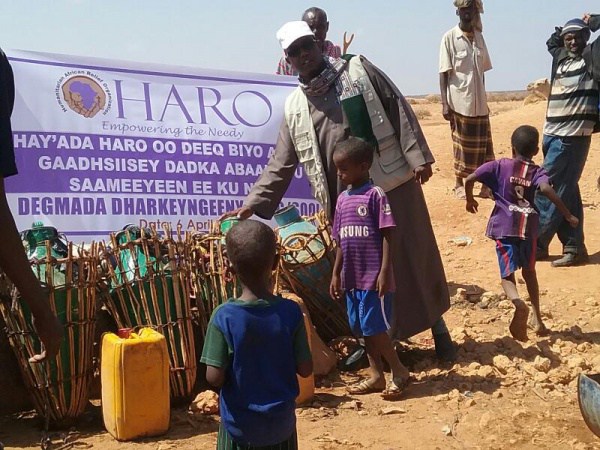
Hay’ada Haro Oo Biyo Dhaamis Iyo Raashin Qabin Kasamaysay Gobolka Sool (Masawiro)
April 11, 2017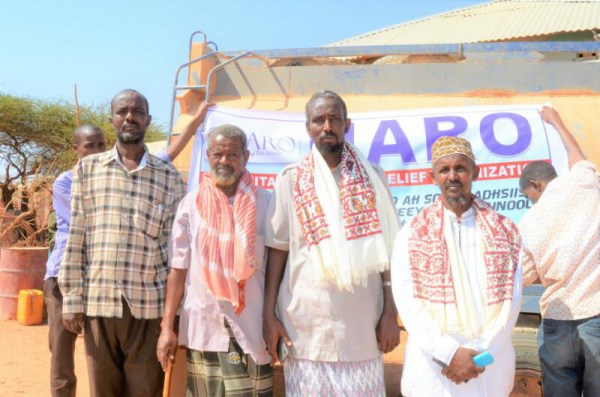
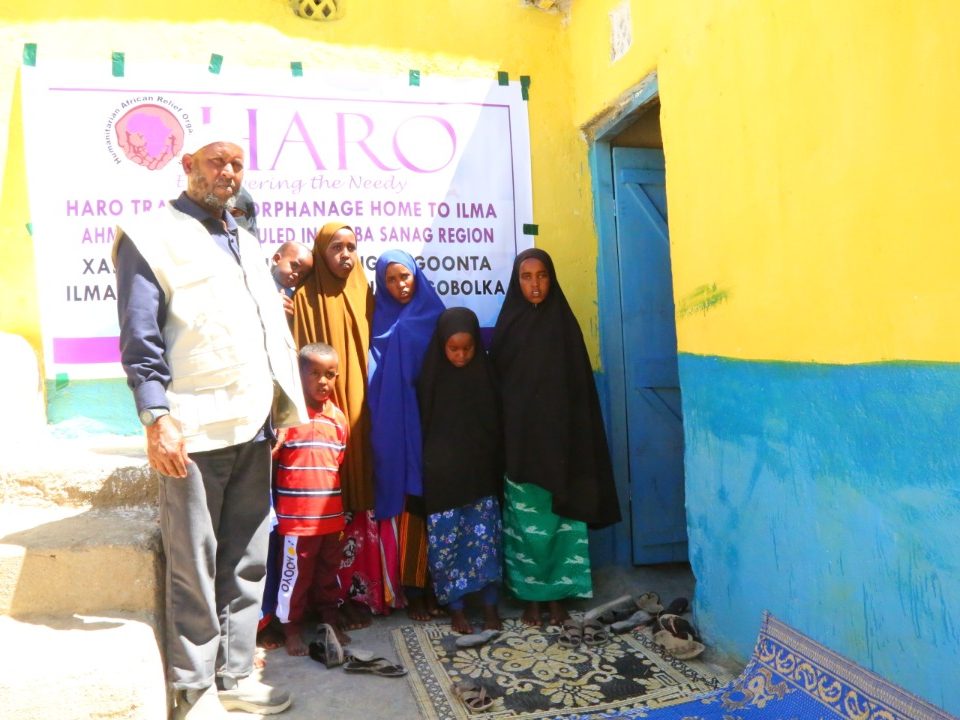
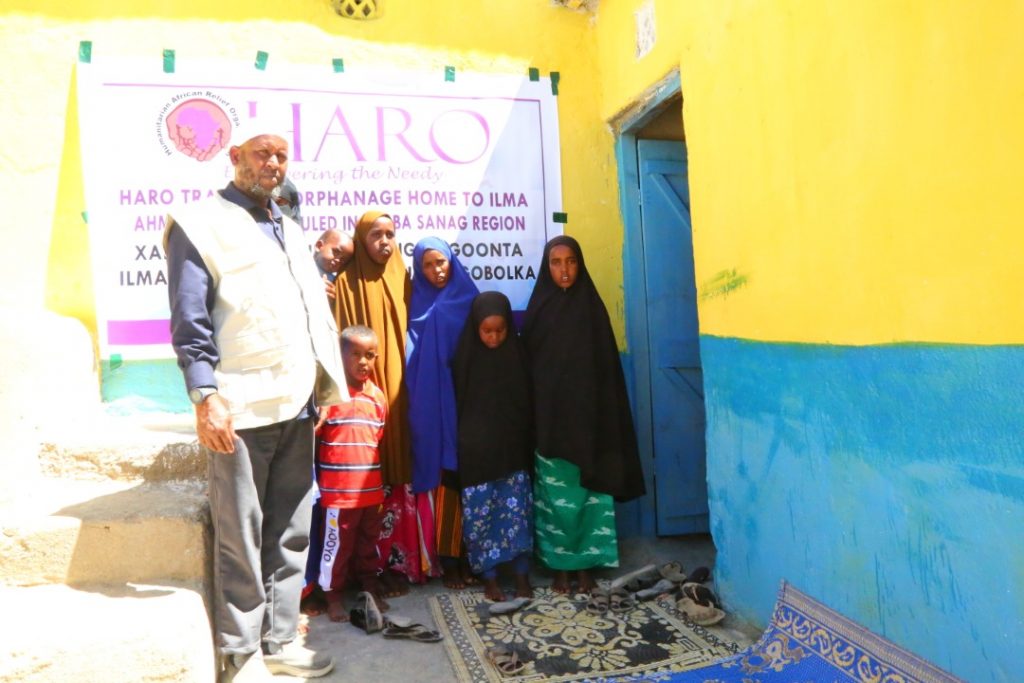
HARO Food and Water Supply – Oog, Balwayn, Balanbaal, Sanaag Region
April 18, 2017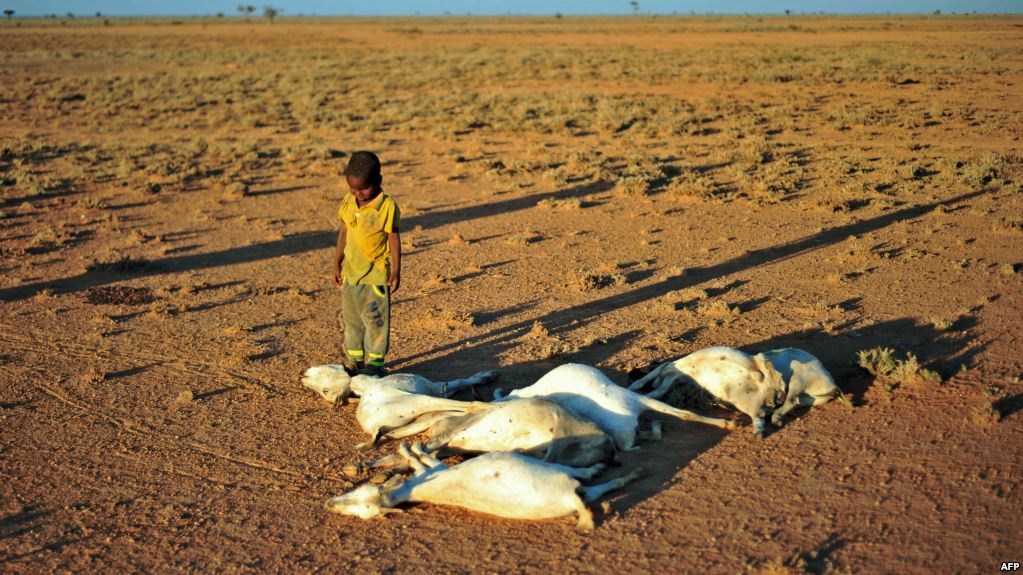
Highlights
• Around 536,000 people have been displaced in Somalia due to drought since November 2016. Around 70,000 have arrived in Baidoa and around 72,000 in Mogadishu in March alone, in search of food and water.
• Acute Watery Diarrhea (AWD)/cholera continues to increase, particularly in Bay, Bakool, Banadir, Gedo and Lower Shabelle regions. Middle Juba and Bakol regions are reporting alarming cumulative Case Fatality Rates of 14.1 and 5.1 per cent respectively, far above the emergency threshold of 1 per cent (75 deaths out of 533 cases in Middle Juba and 143 deaths out of 2,823 cases in Bakol reported since 1 January 2017).
• The spread of measles is also of serious concern, with 3,829 suspected cases reported since the beginning of the year.
• National and international NGOs and UN agencies have worked together to reach more than 1.1 million people with safe water in March alone. Further scale-up is ongoing across all clusters. Priorities include treatment and prevention of AWD/cholera and prevention of measles, improved access to food and safe water, nutritional treatment for malnourished children, protection, shelter and non-food support to newly displaced.
• Donors have moved quickly to generously support scale-up of response and over US$558 million has been made

Situation Overview
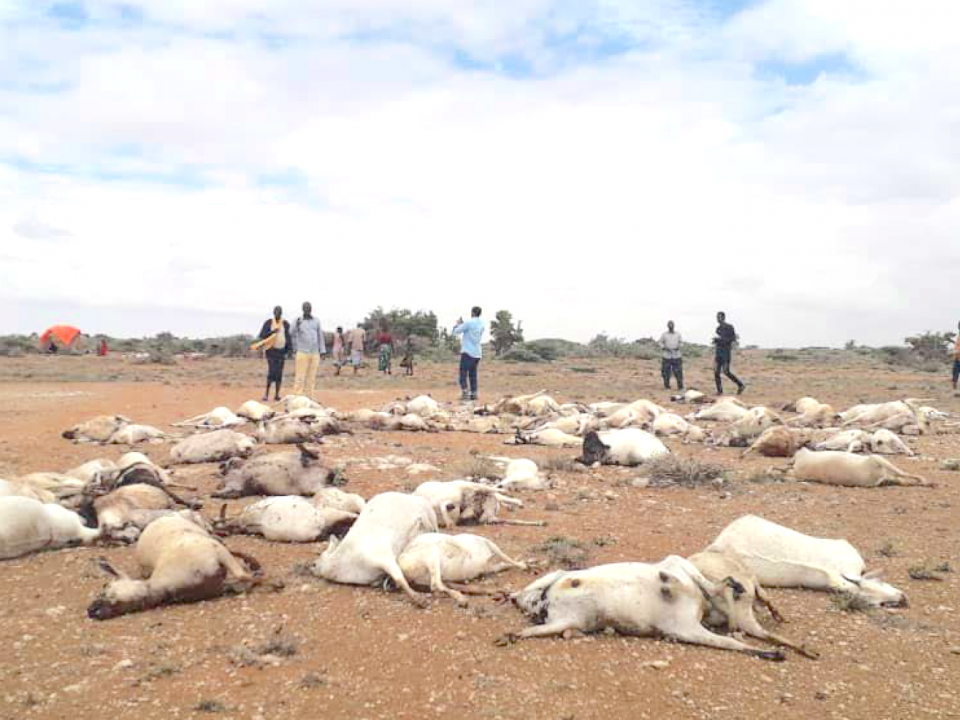
The humanitarian situation continues to deteriorate at an alarming rate, with massive displacement and diseases continuing to spread, causing 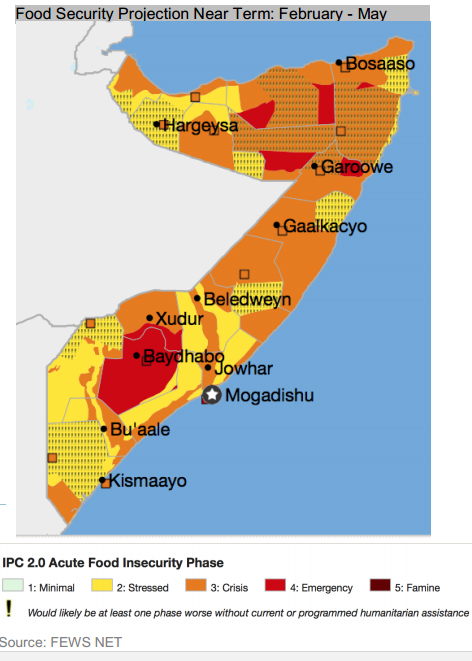 extensive human suffering and deaths. The projections for the coming six months are not encouraging, with continued deterioration foreseen for the coming three months till the end of June, and only a slight improvement during the following three months from July through September.
The food security situation has further deteriorated in the month of March, which is usually the peak of the pastoral lean season according to the Famine Early Warning Systems Network (FEWS NET). Food security is expected to only improve slightly from July through September following the Gu harvest and improvement in livestock conditions.
Drought-related displacement continues to rise almost exponentially. Regions with the highest arrivals include Baidoa, Mogadishu, Sool and Sanaag. In March, Baidoa and Mogadishu received 70,000 and 72,000 new arrivals respectively. Over 536,000 people have been displaced since November 2016 as of 31 March, with 52% of overall drought-induced displacement occurring in the month of March.
The drought is also pushing people across borders, with at least 2,000 new arrivals reported in Dadaab refugee settlement in Kenya between 1 December 2016 and 1 March 2017, according to UNHCR. Preliminary information received so far suggests that more may already be on their way, mainly from Sakow, Buale, Jamame, Baidoa/Bay region and Jilib. Close to 100 of the arrivals in Dadaab were among those assisted through the voluntary returns programme initiated in December 2016.
According to WHO, the total number of reported Acute Watery Diarrhea (AWD)/cholera cases as of 4 April are 21,664, hereof 1,729 additional cases in the last week (since 29 March), with 7 regions reporting cases during that week. The cumulative Case Fatality Rate for 2017 is at 2.3 per cent, significantly above the emergency threshold of 1 per cent. The Bay region alone accounts for 51 per cent of the total cases in the country (10,736 out of 21,319), Middle Juba and Bakol regions are reporting alarming cumulative Case Fatality Rates of 14.1 and 5.1 per cent respectively, far above the emergency threshold of 1 per cent (75 deaths out of 533 cases in Middle Juba and 143 deaths out of 2,823 cases in Bakol reported since 1 January 2017). Additionally, over 3,800 suspected cases of measles have been reported, with the region of Banadir accounting for almost 29 per cent of all suspected cases. The increased outbreak of suspected measles cases is of serious concern and requires urgent attention of humanitarian partners.
Source: OCHA Somalia in collaboration with humanitarian partners.